
Louisiana Swamps Provide Critical Habitat for Diverse Bird and Wildlife Populations
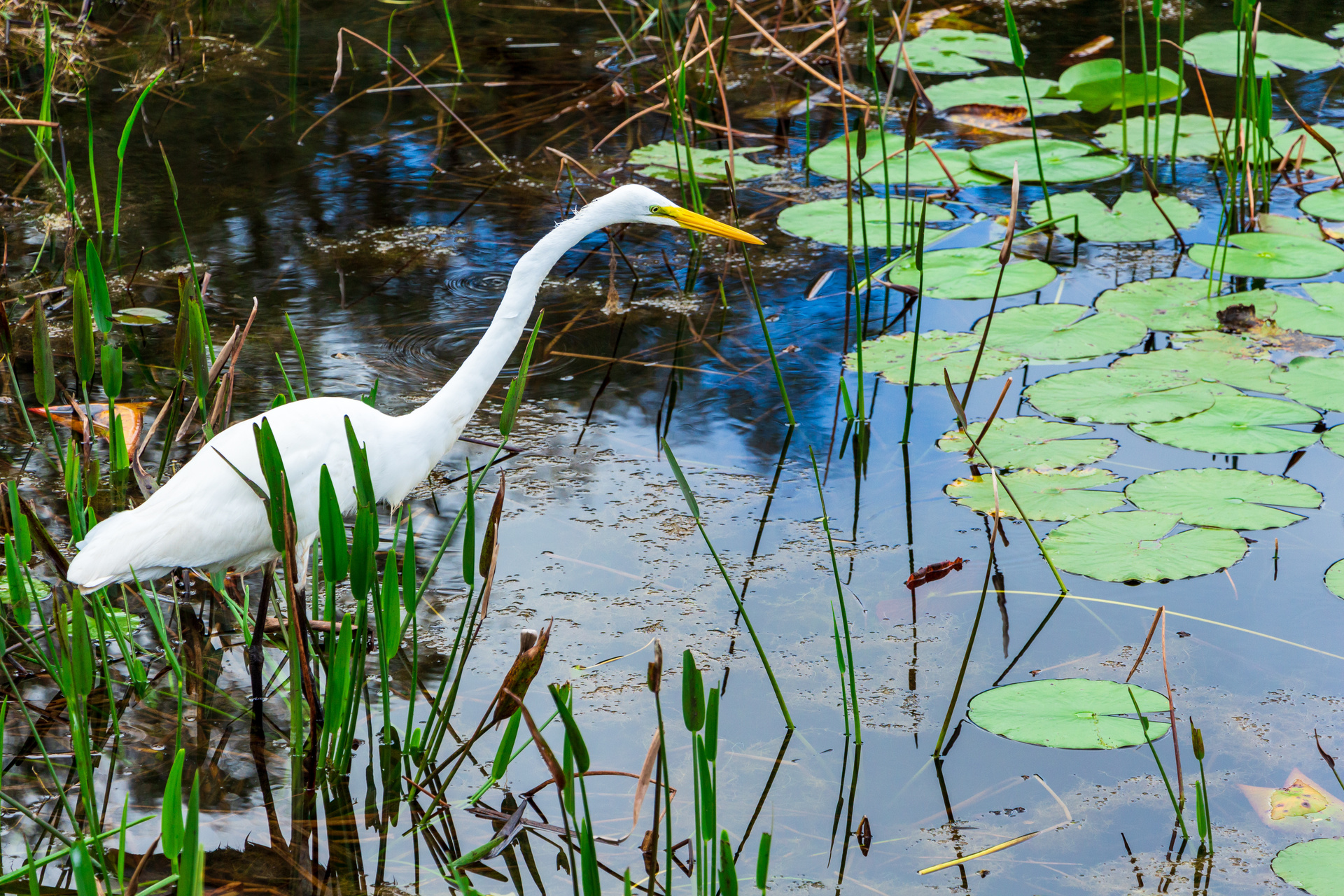

Swamps provide a range of habitats that support both resident and migratory species”
MARRERO, LA, UNITED STATES, April 6, 2026 /EINPresswire.com/ -- Louisiana’s swamp ecosystems continue to play a vital role in supporting a wide range of bird species and wildlife populations. These environments, shaped by a combination of freshwater and coastal influences, create conditions that sustain complex and interconnected habitats.— Milton Walker Jr.
Swamps in Louisiana are defined by slow-moving water, dense vegetation, and seasonal fluctuations in water levels. These characteristics contribute to an ecosystem that supports both aquatic and terrestrial species. The presence of standing water, coupled with nutrient-rich soil, allows plant life to thrive, forming the foundation of the food chain.
Vegetation within swamp environments includes cypress trees, tupelo trees, and a variety of grasses and shrubs. These plants provide shelter, nesting areas, and food sources for numerous species. The layered structure of swamp vegetation creates multiple habitat zones, allowing different species to occupy distinct ecological niches.
Bird populations are particularly well-supported in these environments. Wading birds such as herons and egrets rely on shallow water areas for feeding, where fish and amphibians are readily accessible. Tree canopies and elevated branches provide nesting locations that are protected from ground-level predators.
Migratory birds also utilize Louisiana swamps as seasonal stopover points. The availability of food and shelter during migration periods supports species traveling long distances across North America. These stopovers contribute to broader migratory patterns and the overall health of bird populations.
Wildlife diversity extends beyond avian species. Swamps are home to reptiles, amphibians, fish, and mammals that depend on wetland conditions. Species such as alligators, turtles, frogs, and various fish inhabit the waterways, while mammals including raccoons, otters, and deer utilize the surrounding terrain.
The interconnected nature of swamp ecosystems supports biodiversity by maintaining balance among species. Predatory and prey relationships, plant growth cycles, and water conditions all contribute to the stability of the environment. Changes in one component can influence the entire system, highlighting the importance of maintaining ecological balance.
Water flow and nutrient distribution are key factors in sustaining these habitats. Seasonal flooding introduces nutrients that support plant growth and replenish food sources for wildlife. As water levels change, different areas of the swamp become accessible, creating dynamic conditions that support a variety of species throughout the year.
Milton Walker Jr., owner of Louisiana Tour Company, addressed the ecological significance of these environments.
“Swamps provide a range of habitats that support both resident and migratory species,” said Milton Walker Jr.. “The combination of water, vegetation, and seasonal changes creates conditions that allow wildlife populations to thrive.”
In addition to supporting wildlife, swamp ecosystems contribute to broader environmental functions. Wetlands act as natural filtration systems, improving water quality by trapping sediments and absorbing pollutants. This process benefits both local ecosystems and surrounding communities.
Swamps also play a role in flood control by absorbing excess water during heavy rainfall events. The ability to store and gradually release water helps reduce the impact of flooding in nearby areas. This function is particularly important in regions where weather patterns can produce significant rainfall over short periods.
The preservation of swamp environments is closely tied to maintaining biodiversity. Habitat loss, changes in water flow, and environmental pressures can affect the balance of these ecosystems. Efforts to conserve wetlands focus on protecting the conditions that allow wildlife populations to continue thriving.
Educational and observational opportunities within swamp environments provide insight into the complexity of these ecosystems. Guided tours and research initiatives allow individuals to observe wildlife in natural settings and gain a better understanding of how these habitats function.
As awareness of ecological systems continues to grow, the importance of swamp environments remains a central topic in environmental discussions. Louisiana’s swamps represent a network of habitats that support a wide range of species while contributing to broader environmental stability.
Understanding the role of these ecosystems highlights the interconnected nature of wildlife, vegetation, and water systems. The continued presence of diverse bird and wildlife populations within Louisiana swamps reflects the adaptability and resilience of these environments.
As environmental conditions evolve, the function of swamp ecosystems remains essential to maintaining biodiversity and supporting the natural balance within the region.
Morgan Thomas
Rhino Digital, LLC
+1 504-875-5036
email us here
Visit us on social media:
Facebook
Legal Disclaimer:
EIN Presswire provides this news content "as is" without warranty of any kind. We do not accept any responsibility or liability for the accuracy, content, images, videos, licenses, completeness, legality, or reliability of the information contained in this article. If you have any complaints or copyright issues related to this article, kindly contact the author above.
